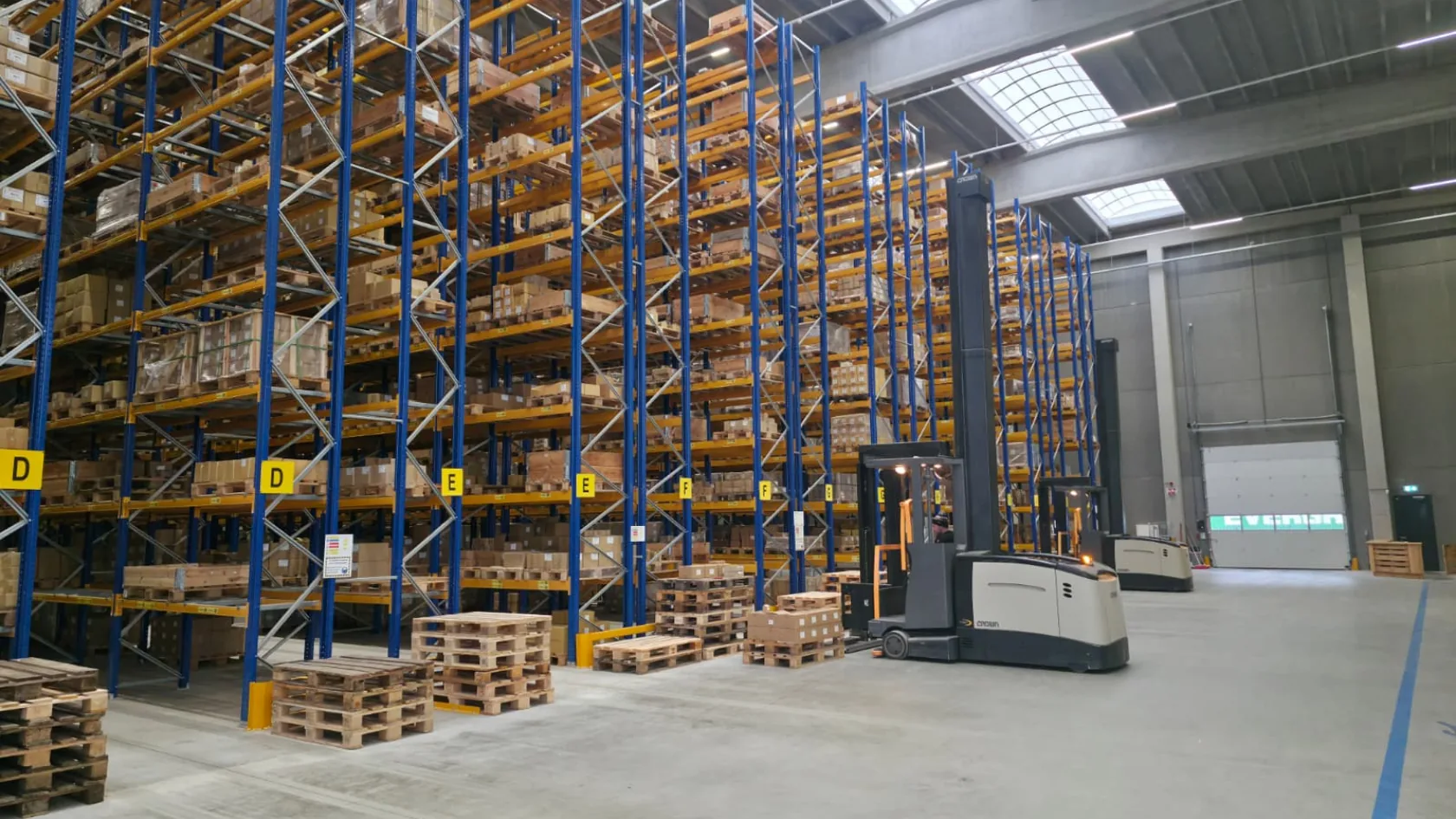

Generic flood barrier; not a depiction of the Boston Flood Barrier.
Short answer: For an infrastructure project, special fastening anchors must be available on time and in accordance with the correct specifications. In our Boston Flood Barrier case study, we demonstrate why dimensions, machining, surface treatment, and coordination throughout the supply chain must be planned together.
What made this delivery special?
According to our project case, we supplied anchors with diameters of M36, M72, and M76 and lengths of up to eight meters, including nuts and washers. These are project-specific components that have implications for transportation, handling, and installation. When an existing supplier dropped out, we had to act quickly to prevent delays. For other projects, the decisions regarding specifications and planning are particularly instructive.
Start with the function of the connection
An anchor connects a component to a load-bearing structure. The correct choice depends on loads, substrate, geometry, environment, and the specified installation method. A nominal thread size alone does not describe that function. For long anchors, accessibility, tolerances, transportation to the installation site, and space for tools are also factors to consider. Have the designer specify which requirements are fixed and which manufacturing or installation choices are still open. This prevents a change in one component from unintentionally affecting the other parts.
Plan the supply chain, not just the delivery date
A fastening anchor may undergo several processing steps before it is ready for installation. In our Boston case study, we explicitly mention rolling and surface treatment. For a new order, you should therefore map out the process: raw material, machining, any surface treatment, inspection, packaging, and transportation. Which step has the longest lead time? Which dimensions or surface finishes must already be finalized before that step begins? And at what point can a design change still affect the schedule? A shared overview helps the project manager and supplier identify risks earlier.
Keep the set and the documentation together
In practice, an anchor rarely comes alone. Nuts, washers, and any additional parts must be compatible with the specified configuration. Specify in the purchase request which components are to be delivered together, how they are identified, and which documents are required. Upon receipt, inspect the shipment, quantities, dimensions, and documentation before the parts are sent to the construction site. This ensures that a logistical delivery also becomes a usable assembly delivery. The exact inspection points are specified in the project specifications and the quality plan.
Technical and logistical specifications go hand in hand
For a long anchor, the request must specify the final length, thread, tolerance, and associated components. In addition, it is necessary to specify how the item will be handled, protected, and identified. Even a protected thread can still be damaged upon arrival if the packaging is not suitable for transport and storage. Therefore, ask who will assess the packaging and where the component will be unloaded at the construction site. A large component that cannot be transported safely or identifiably to the assembly site does not constitute a completed delivery.
What can you learn from a change made late in the project?
When a dimension or process changes after manufacturing has begun, design, production, inspection, and scheduling all become intertwined. Establish a change management process: Which drawing will be withdrawn? Which parts have already been manufactured? Who will assess whether they can be reused? And which deadline remains feasible? Do not treat a verbal agreement as a definitive change. A brief, documented decision prevents two versions from remaining in the supply chain simultaneously. Especially for project-specific parts, it helps to discuss this process in advance with all parties involved.
What questions should be asked during the handover?
Verify that all components of the set have been received, that the identification matches the documentation, and that any shipping damage has been assessed. Agree on who will handle a missing ring or incorrect marking before the installation team begins. Document the release in accordance with the project quality plan. This ensures that the supplier process ends at a point where construction can continue, rather than at the construction site gate.
A hypothetical change as a stress test
Suppose an anchor length changes after the surface treatment has been scheduled. Which departments need to be informed? Engineering checks the load and dimensions, Production reviews the machining process, Quality handles the inspection, and Planning manages the delivery date. Nuts, washers, and packaging may also be affected. This hypothetical situation is a good test for a project meeting: if it’s not clear who makes which decisions, the actual change will likely take time. Compile the results into a single revision summary and distribute it to the supplier and the production team.
What isn't shown in the project photo?
An overview photo of a floodwall shows the scale of the structure, but not the requirements for each anchor. Therefore, be sure to request the drawing, the final dimensions, the treatment specifications, and the installation sequence before evaluating a similar application. We’d be happy to assist you as soon as it’s clear which connection you’d like to design.
Three Questions for Your Next Project
First, ask whether all parties involved are using the same revision of the drawing. Next, ask whether machining, processing, and inspection are included in the lead time. Finally, ask who makes the decision in the event of a deviation and how that decision is documented. These questions are simple, but they touch on design, procurement, quality, and execution all at once. Especially with unique parts, an unclear handoff can cost time.
The Boston Flood Barrier illustrates the connection between specialized fasteners and project logistics. Do you have a similar question about anchors or custom solutions? Please provide us with the application details, drawings, and desired delivery date. We’ll then work with you to determine the necessary specifications and approach.
More information