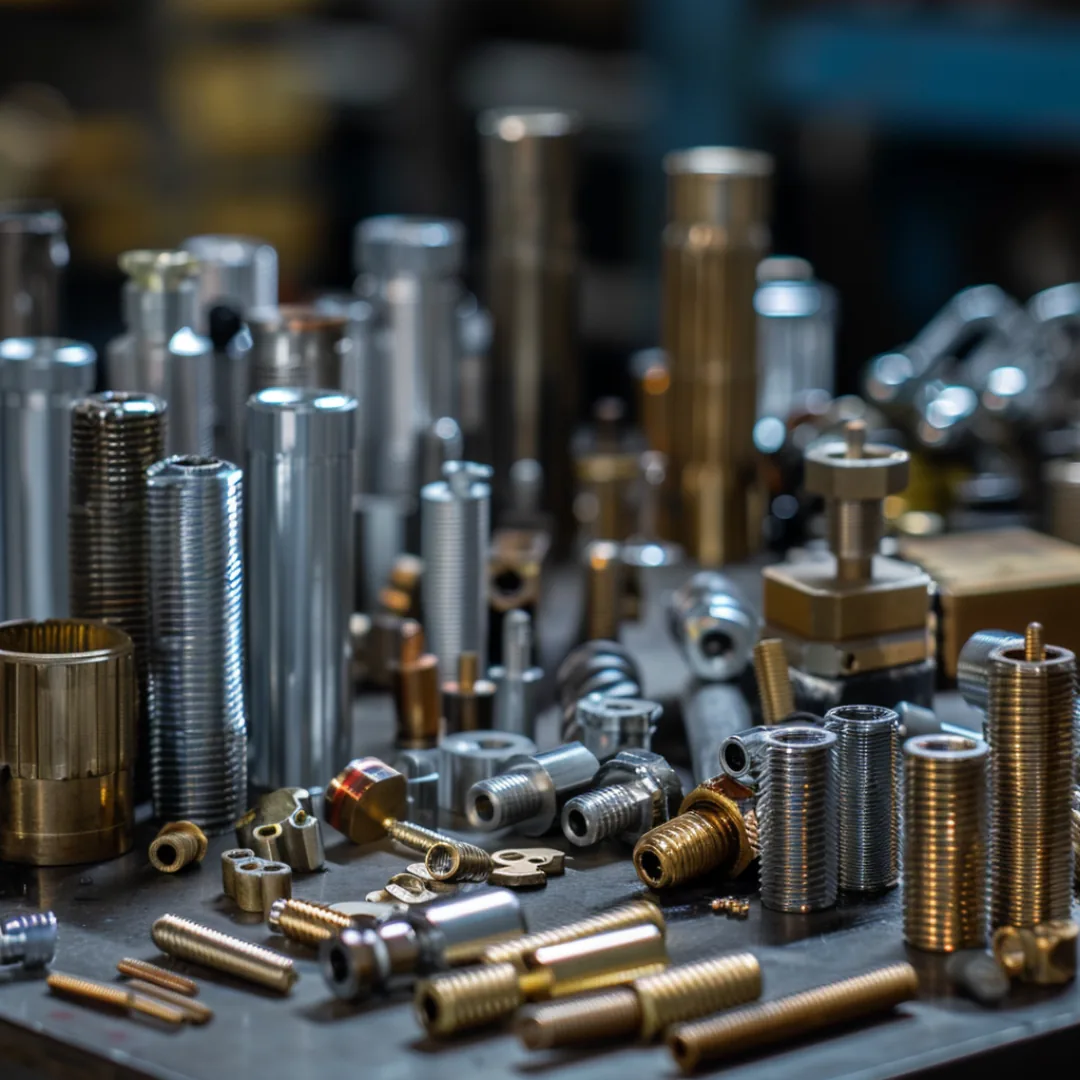
Common Mistakes When Selecting Fasteners (and How to Avoid Them)

Common Mistakes When Selecting Fasteners (and How to Avoid Them)

In industrial environments where reliability and continuity are paramount, choosing the right fastener is often less straightforward than it seems. Yet mistakes are made every day that lead to costly delays, maintenance, or even structural damage. Archey lists the five most common mistakes and shows how to prevent them.

  1. Incorrect choice of materials: an underestimated risk factor
In many industries, from chemicals to offshore, corrosion is a systemic risk. Yet standard steel is still too often chosen, even when the application calls for stainless steel, duplex, or a special alloy. The result: accelerated degradation, higher maintenance costs, and an increased safety risk.

How to prevent this? Selection based on environmental data, chemical exposure, and service life. Includes material recommendations in accordance with ISO, DIN, and industry-specific standards.

  1. Incorrect dimensions or tolerances: a small deviation, major consequences
Fasteners that don’t quite fit can lead to assembly problems, play in the structure, or damage to components. In applications subject to dynamic loads, such as in the automotive or mechanical engineering industries, this can often have disastrous consequences.

How can this be prevented? By ensuring precise alignment with the drawing, fit, thread tolerances, and any coating thicknesses. Where necessary, we supply modified or custom-manufactured fasteners.

  1. Wrong type of fastener: the standard option isn't always sufficient
For applications involving vibration, impact loads, or temperature fluctuations, a standard fastener is rarely sufficient. Examples include wind turbines, railway structures, and heavy machinery.

How to prevent this? Expert advice based on load type, mounting method, and fastening requirements. Includes vibration-resistant, self-locking, or HV-certified variants.

  1. Do not take coating or surface treatment into account
Corrosion resistance often depends on the coating used. However, this aspect is frequently underestimated or overlooked. In salty, chemical, or humid environments, this can lead to premature failure.

How to prevent it? Advice and supply of suitable coatings—from hot-dip galvanizing to PTFE-based systems. Always backed by test results (such as NSS or CASS) and tailored to the application’s corrosion class.

  1. Improper installation or insufficient maintenance
Even the right fastener will fail if installed incorrectly. Excessive or insufficient torque, the use of unsuitable tools, or a lack of periodic maintenance can lead to loosening, seizing, or breakage.

How to prevent this? Support with assembly instructions, torque specifications, and tooling. Includes advice on torque settings, calibration, and inspection services.

Structural security starts with specialized support

At Archey, we go beyond simply delivering products. We analyze the application, verify specifications, and proactively contribute ideas regarding engineering, sourcing, and maintenance. This helps you prevent errors before they occur.
Discover our product categories

At Archey, we have divided the world of fastening technology into four categories: fasteners, assembly tools, bits and power sockets, and accessories.

Archey at a Glance

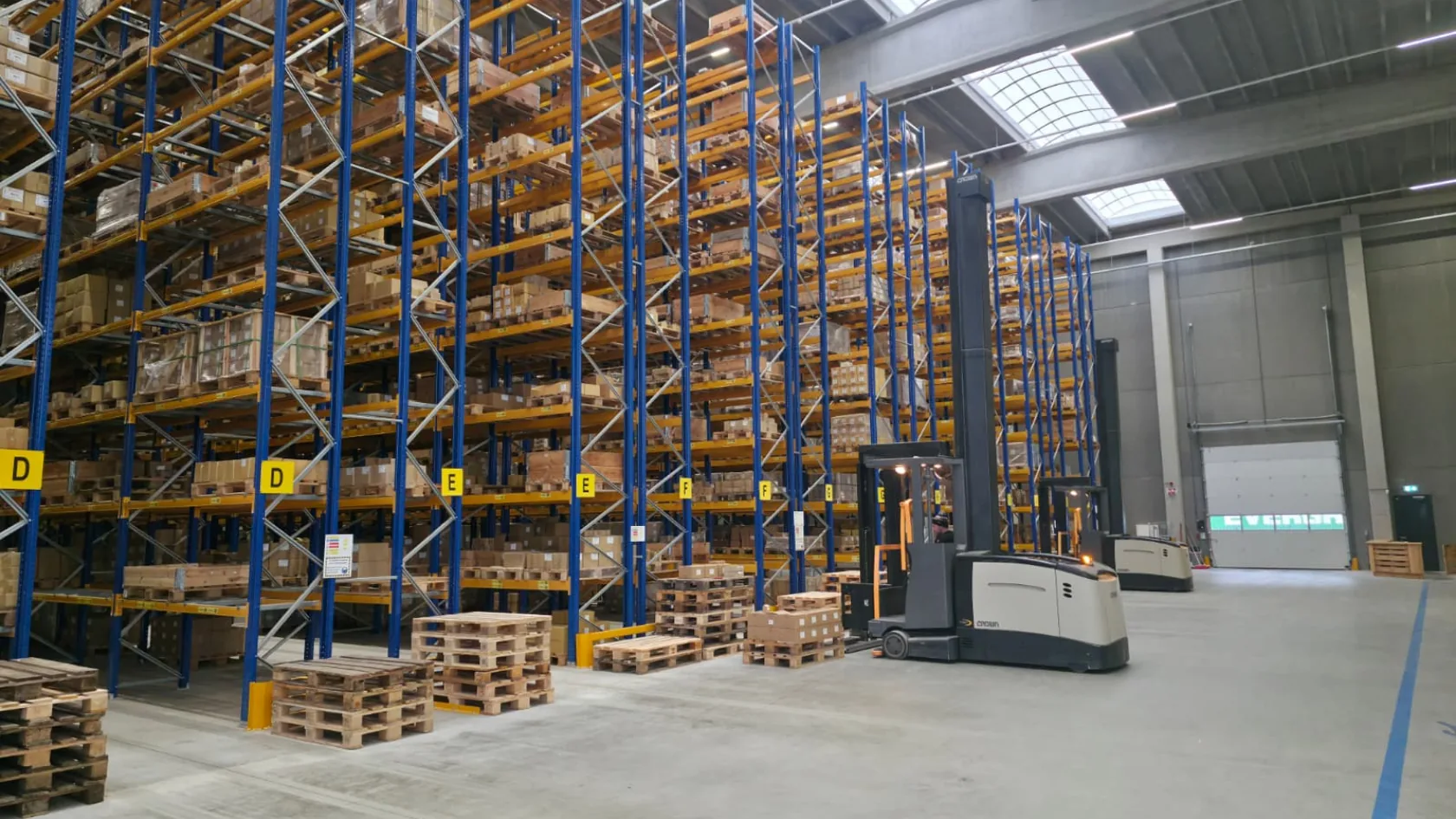
Rotation is in our blood. We’ve built the best global network imaginable. We’ve set everything up to manage your inventory efficiently. We’re able to deliver quickly. We know exactly which fastening solutions to offer to meet your needs—whether standard, special, or custom-made. Just imagine the possibilities this opens up.